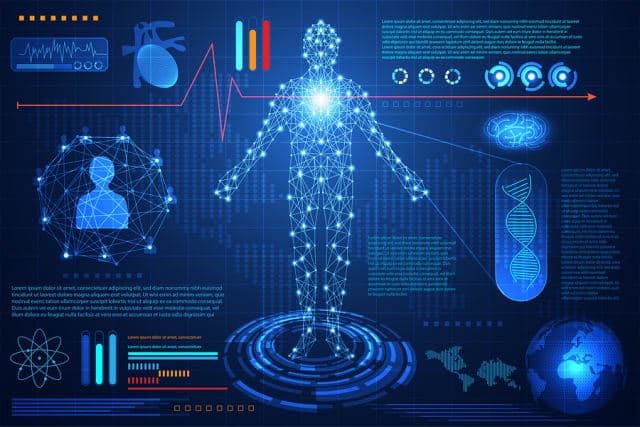
Digital Transformation of Healthcare: Challenges and Opportunities
Digitalization is penetrating all areas of our lives, and healthcare is no exception. New technologies promise to improve access to medical services, make diagnostics more accurate, and treatment more personalized and effective. However, this path comes with many challenges — from ethical concerns to technical integration. In Slovenia, the digital transformation of healthcare is gaining momentum, and the system now faces the task of not only implementing innovations but also ensuring they truly serve the patient. In this article, we will explore the opportunities digital healthcare offers and the difficulties it must overcome.
A New Era of Medicine and Its Digital Face
The world of medicine has entered a phase of active digitalization, and this transformation is already having a significant impact on healthcare systems globally. In Slovenia, as in other European countries, the introduction of digital solutions has become a response to growing societal needs, a shortage of medical personnel, the pursuit of prompt diagnostics, and improving patient care. Technologies are no longer merely auxiliary tools — they are becoming the core of a new healthcare model focused on personalized care, prevention, and efficiency.
Electronic Medical Records and Telemedicine — The Foundation of the Digital Approach
One of the key elements of digitalization is the electronic medical record system, which is already actively used in Slovenia. It not only accelerates the exchange of information between doctors but also reduces the number of redundant examinations. Patients can control their data, view prescriptions and test results in digital format. Alongside this, telemedicine is rapidly developing — offering remote consultations, especially relevant in rural areas and where resources are limited. Online doctor visits allow patients to receive help without long journeys, and in times of pandemics and epidemics, this format has proven essential.
Artificial Intelligence and Big Data in the Service of Health
The use of artificial intelligence in medicine is becoming increasingly widespread. Machine learning algorithms are already applied to analyze medical images, predict disease progression, and optimize treatment pathways. In Slovenia, pilot projects have been launched to integrate AI into oncology and cardiology diagnostics. The potential of big data is also being actively explored — analyzing anonymized patient data sets can identify patterns, improve prevention effectiveness, and help forecast disease outbreaks.
Issues of Privacy and Digital Inequality
But with new opportunities come new challenges. One of the main concerns is protecting patients’ personal data. The more information stored digitally, the higher the risk of leaks or misuse. This requires not only robust technical protection but also strict ethical standards. Another important aspect is digital inequality. Not all population groups have equal access to the internet, digital devices, or adequate digital literacy. This could lead to some citizens being excluded from new healthcare models, contradicting the principles of equitable healthcare.
The Future of Healthcare — Hybrid Models and Digital Resilience
The future of healthcare is increasingly seen as a synthesis of traditional and digital methods. Hybrid models combining in-person visits and telemedicine solutions are already becoming the norm. It is important not only to implement technologies but also to adapt them to the real needs of medical professionals and patients. In Slovenia, discussions are underway about creating a unified digital platform to consolidate all key medical data, which would enable the development of personalized treatment plans and real-time health monitoring. Also on the agenda is the development of digital skills among medical staff and public education programs.
Challenge Accepted: Making Digital Healthcare Accessible and Effective
Digital transformation in healthcare is not just about introducing new technologies, but a profound reform of approaches to treatment, prevention, and patient interaction. For Slovenia, as a country with a high level of IT development, major opportunities lie ahead — but they require coordinated efforts from the government, the private sector, and citizens. Only with reliable infrastructure, transparent legislation, and inclusive participation can a system be created where digital healthcare is not a luxury, but the norm for every resident of the country.
Conclusion: A Balanced Approach to the Future of Health
The digital transformation of healthcare is not a temporary trend but a long-term shift toward a more adaptive, accessible, and patient-centered system. Slovenia is on the right path, but the success of this evolution depends on balancing innovation with inclusivity, privacy with openness, and technology with humanity. By addressing current challenges and investing in sustainable solutions, the country can become a model for how digital tools truly enhance health and well-being for all.